














































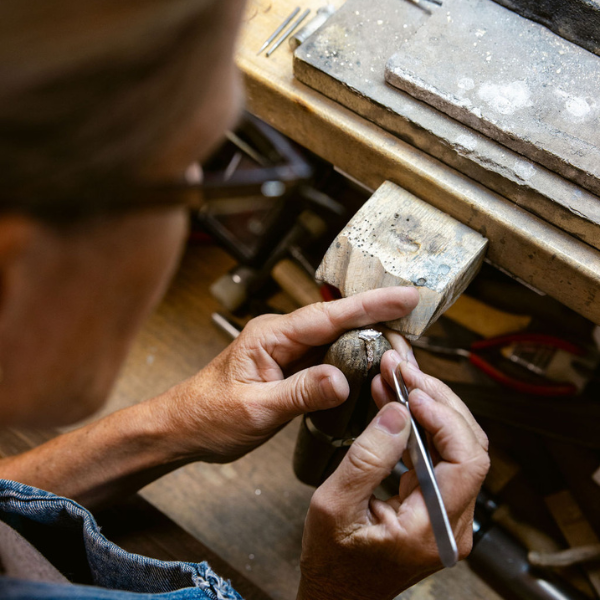



Welcome to another deep dive into the scintillating world of diamonds (see what I did there?). Today, we're going to explore the incredible journey of creating diamonds by taking you behind the scenes through a step-by-step process.
These dazzling gemstones have gained popularity in recent years due to their combination of striking beauty and friendly price point. To the naked eye, natural mined diamonds and lab diamonds are extremely similar, with lab diamonds even being able to pass a diamond tester! Talk about a carbon copy! Okay, enough with the diamond puns...
Lab-grown diamonds (also known as lab-created diamonds, man-made diamonds, engineered diamonds, and cultured diamonds) are generated in highly controlled laboratory settings using advanced technological processes that mimic the conditions that diamonds naturally develop in beneath the Earth's crust in the mantle.
These lab-created diamonds are made up of genuine carbon atoms organized in a diamond crystal structure. They have the same visual and chemical qualities as natural diamonds (down to the atomic level) since they are manufactured of the same substance, carbon!
So, grab a cup of coffee or your favorite beverage, and let's dive into this captivating journey through the scientific process of creating lab-grown diamonds. By the end, you’ll be well versed in the incredible process involved. 6 steps to creating a lab-grown diamond, here we come!
Step 1: The Seed
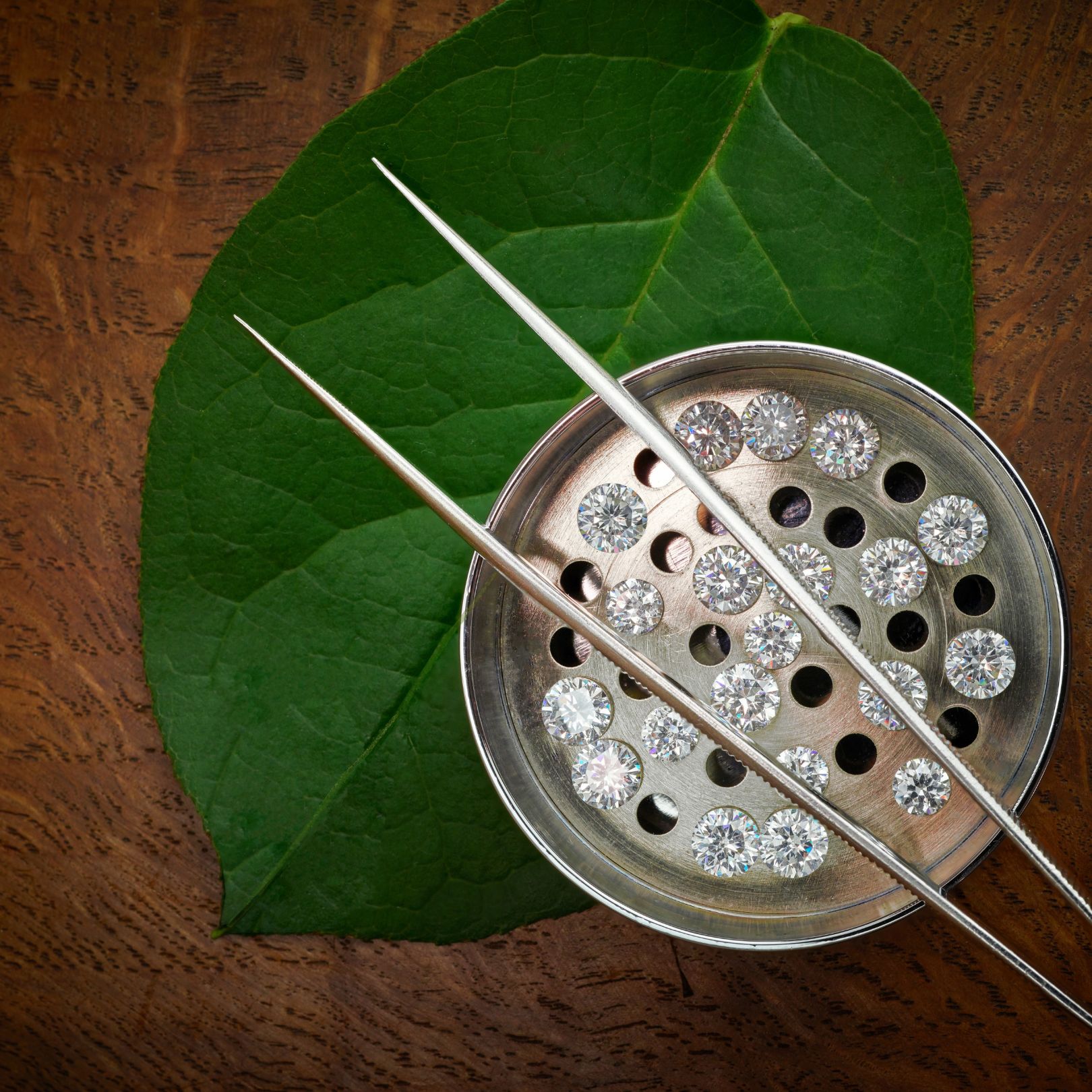 Every diamond needs a seed to grow, just like a plant needs a seed to sprout. In the case of lab-grown diamonds, this seed is a small diamond fragment or a carbon source. Known as the "diamond seed," this is the foundation upon which the entire growth process depends. The diamond seed is placed in a specialized chamber, often made of high-pressure, high-temperature (HPHT) equipment or a chemical vapor deposition (CVD) reactor. Both methods have their unique advantages, but the outcome remains the same: a controlled environment to encourage diamond growth.
Step 2: The Growth Atmosphere
Creating an environment conducive to diamond growth is essential. In the HPHT method, the chamber contains the diamond seed, a mixture of carbon source material, and a catalyst, which kickstarts the growth process. The chamber is then heated to extremely high temperatures, similar to conditions deep within the Earth’s mantle where natural diamonds form over billions of years.
For perspective, the pressure involved is equivalent to over 4,000 adult elephants sitting on your foot! The heat exceeds that of molten lava, around 2,000 degrees Fahrenheit. In the CVD method, carbon-rich gases such as methane and hydrogen are introduced into the chamber and heated. Carbon atoms accumulate layer by layer on the diamond seed, growing the diamond slowly.
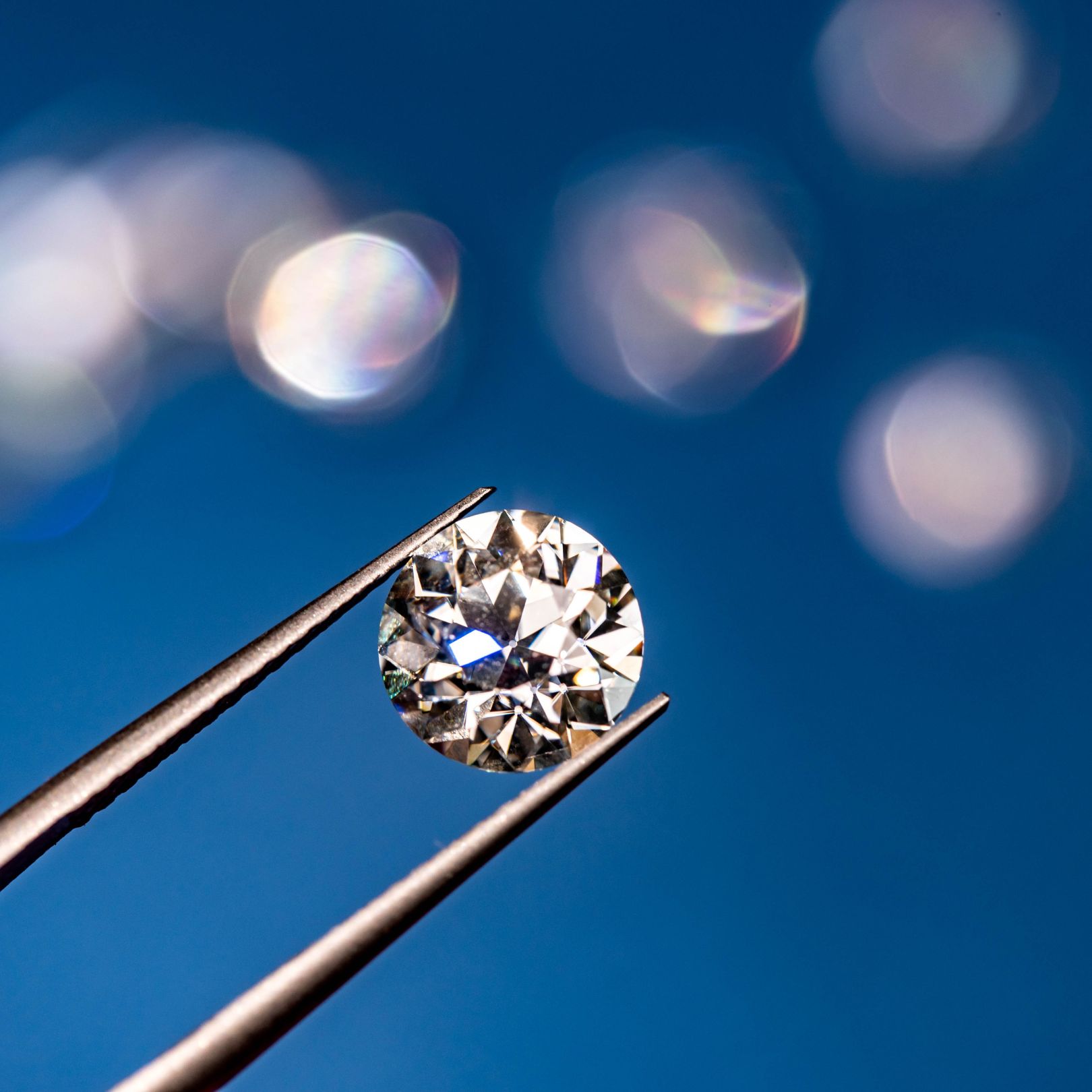 After about 4 weeks, the lab-grown diamonds are fully formed. This is somewhat similar to 3D printing, where layers are gradually added until the final structure emerges. The result is a rough diamond ready for the next stage.
Step 3: The Magic of Crystal Growth
During this step, carbon atoms arrange themselves in a crystal lattice structure, layer by layer, onto the diamond seed. This process can take several weeks to a few months depending on the desired size. The growth is closely monitored to ensure quality and avoid defects, making lab-grown diamonds highly consistent compared to natural diamonds.
This allows for made-to-order diamonds that are free of the inclusions commonly found in natural diamonds formed over billions of years.
Step 4: Precision and Cutting
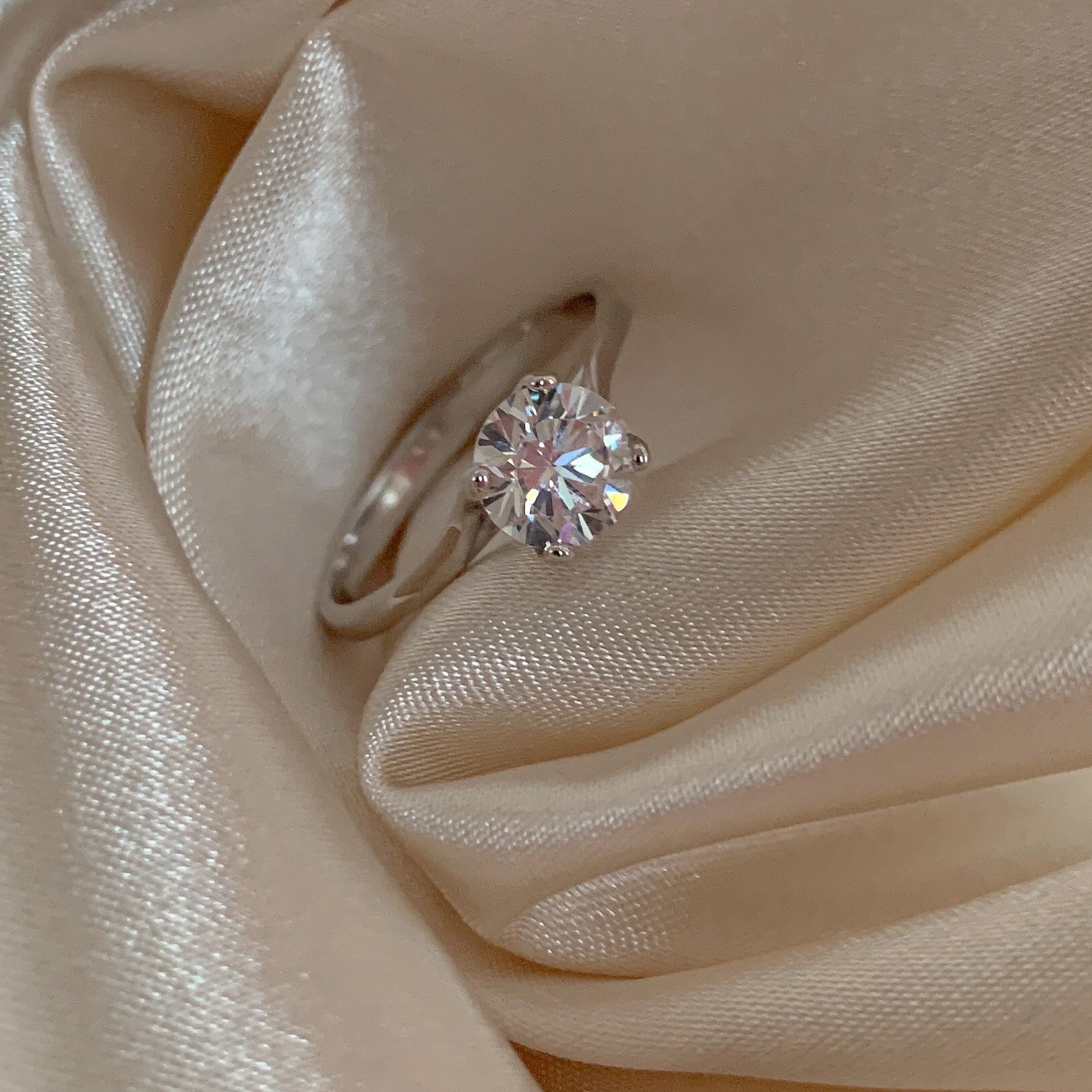 Once the diamond reaches the desired size, expert gem cutters carefully examine the rough stone and determine the best way to cut it for maximum brilliance. Cutting is a precise art that allows light to reflect and refract within the diamond, creating the sparkle we love. Lab-created diamonds cut properly shine just like natural ones.
Fun fact: the only substance capable of cutting a diamond is another diamond, ranking 10/10 on the Mohs Hardness Scale.
Step 5: Polishing and Faceting
After cutting, the diamond is polished. Facets are carefully created on the diamond's surface, allowing light to bounce and produce stunning sparkle. The number, size, and placement of facets are crucial in determining the diamond's fire and brilliance. Well-cut lab-grown diamonds match the sparkle of natural diamonds while being cost-effective.
Step 6: Grading and Certification
 Like natural diamonds, lab-grown diamonds undergo grading and certification. Gemological laboratories evaluate color, clarity, carat weight, and cut. Certifications from GIA or IGI provide assurance of quality.
Step 7: Just Kidding, All Done!
From a tiny diamond seed thinner than a human hair to a breathtaking faceted gemstone, each step showcases the dedication and craftsmanship of lab-grown diamonds. These diamonds offer elegance, beauty, and ethical benefits over mined diamonds. Whether for an engagement ring or other fine jewelry, lab-grown diamonds are true diamonds made of pure carbon and are a product of both science and artistry.
I hope you enjoyed this blog as much as I did writing it. Until next time, keep exploring the fascinating world of diamonds and gemstones. Remember, diamonds are not only a symbol of forever but also a testament to human innovation!